

Wine 1:
2022 La Val Rías Baixas Albariño
Region: Rías Baixas, Spain
Located on the Atlantic coast in northeast Spain, Rias Baixas has a humid, moderate climate, and grape vines are often trained on pergolas in order to reduce pressure from fungal infection.
A blend of the different vineyards of the winery, containing the characteristics of each one of them. In this wine we can find peculiarities of the three typical soils of the Rías Baixas appellation, granite in Taboexa (acidity), alluvium and pebbles in Arantei and Porto (fruitiness) and schist in Vilachán (minerality). The grapes are transported and stored in cold storage. 40 % of the grapes undergo a skin maceration at 10 ºC for 4 hours. Subsequently, the grapes are gently pressed with a selection of the best must and fermented in stainless steel tanks at 16/17 ºC. The wine is devatted with its fine lees with which it remains for three months.
Albariño
Wine 2:
2023 Tenuta di Nozzole ' Villa Nozzole' Chianti Classico DOCG
Region: Chianti Classico, Tuscany, Italy
The Chianti Classico region is the historic, high-quality wine heartland of Tuscany, Italy, situated between Florence and Siena. Famous for its Sangiovese-based red wines, the area is defined by hilly terrain, rocky soil, and the black rooster (Gallo Nero) logo. It is a separate DOCG from standard Chianti, known for greater structure, higher altitude vineyards, and long-aged, complex wines.
Located north of the village of Greve in the heart of the Chianti Classico region, the Nozzole estate covers a striking, rugged, mountainous area of about 1,000 acres, a third of which is vines and olive groves. Select parcels in the Tenuta di Nozzole estate are dedicated to Villa Nozzole Chianti Classico. Crafted with a fruit-forward, New World character, Villa Nozzole Chianti is ready to drink upon release. Extended aging in large oak casks provides additional roundness and depth.
Sangiovese
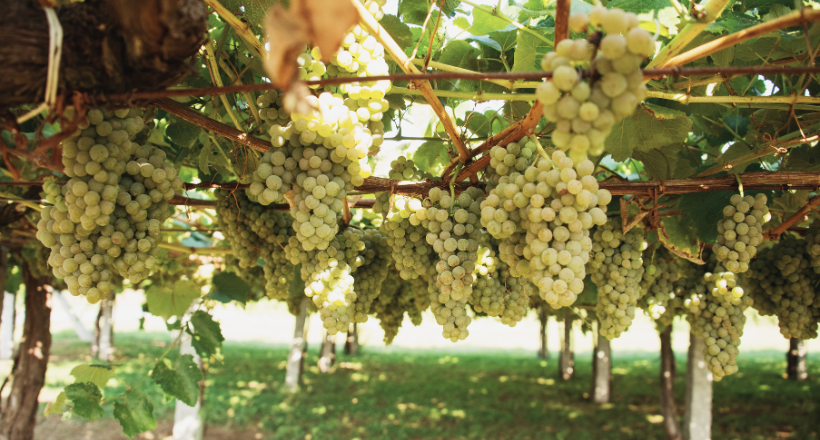
Albariño is a white grape variety, whose thick skin provides it with a natural resistance to fungal infections such as downy mildew. This resistance allows it to grow successfully in damper climates, including Rias Baixas in northeastern Spain. Wines made from Albariño typically have a high level of acidity, which provides the wine with a refreshing and vibrant mouthfeel, along with aromas and flavors of citrus and stone fruit.
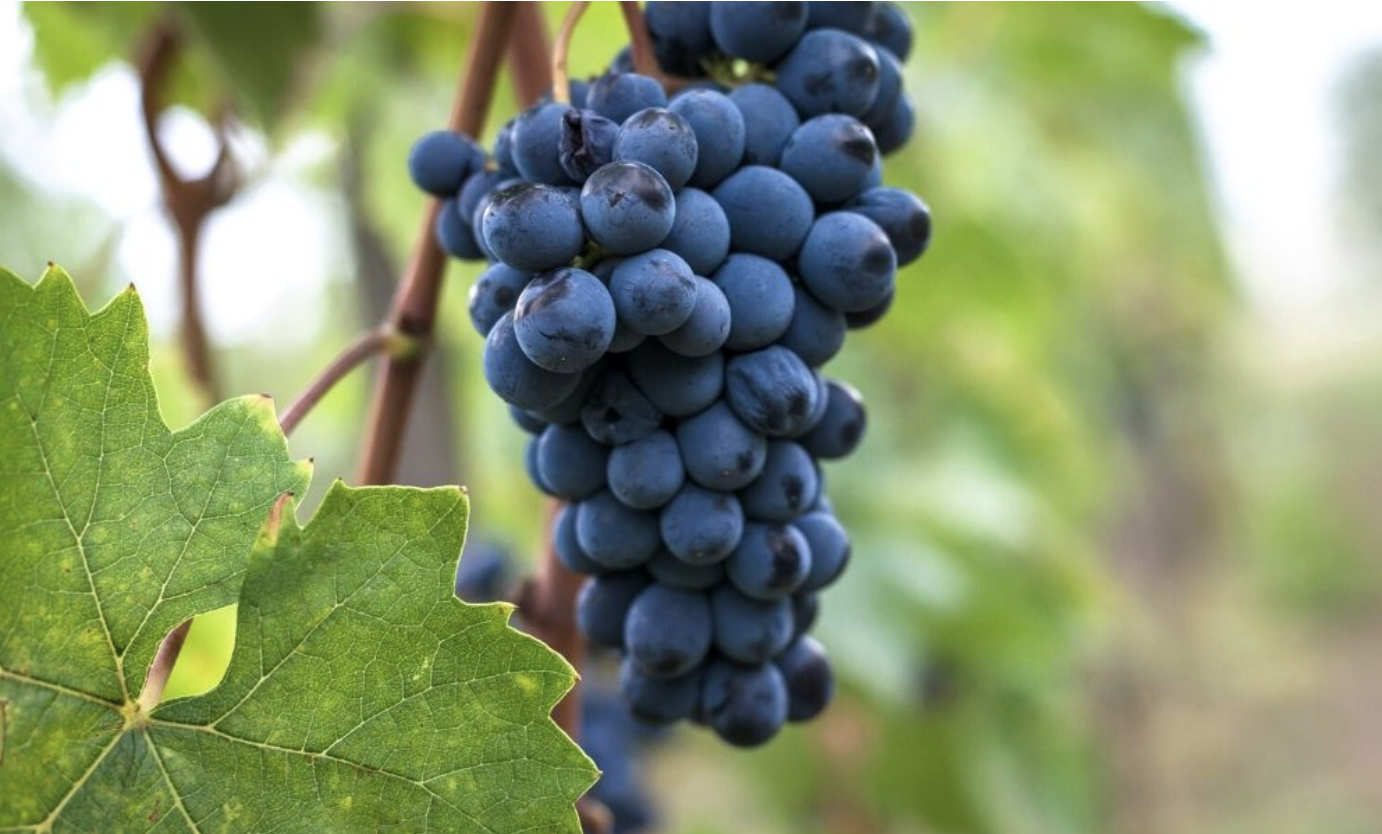
Sangiovese is Italy’s signature red grape, best known for starring in Chianti Classico and Brunello di Montalcino. It typically makes medium-bodied wines with bright acidity, moderate tannins, and savory, food-friendly character. Expect flavors like sour cherry and red plum alongside dried herbs, tea, violets, and sometimes earthy notes like leather or tobacco—especially with age or oak. Because that zippy acidity plays so well with tomato-based and herb-driven dishes, Sangiovese is a go-to match for pizza, pasta, and grilled meats, and its style can range from fresh and juicy (many Chiantis) to powerful and age-worthy (Brunello).