
Wine 1:
2024 Pewsey Vale Eden Valley Dry Riesling
Region: Eden Valley, Australia
The Pewsey Vale Riesling is a classic example of dry Eden Valley Riesling, and shows the generous flavours and textures that we see so consistently each year from this amazing vineyard. Pale straw with green hues in colour , with intense aromas that suggest, white flowers, fresh limes and a hint of fine dried herbs. The palate is long and rich, reminiscent of limes flavours and fresh rosemary . The wine finishes with a soft natural acidity which balances the flavour intensity and a minerality that is delicious now or will reward medium to long-term cellaring.
Riesling
Cabernet Sauvignon/Merlot
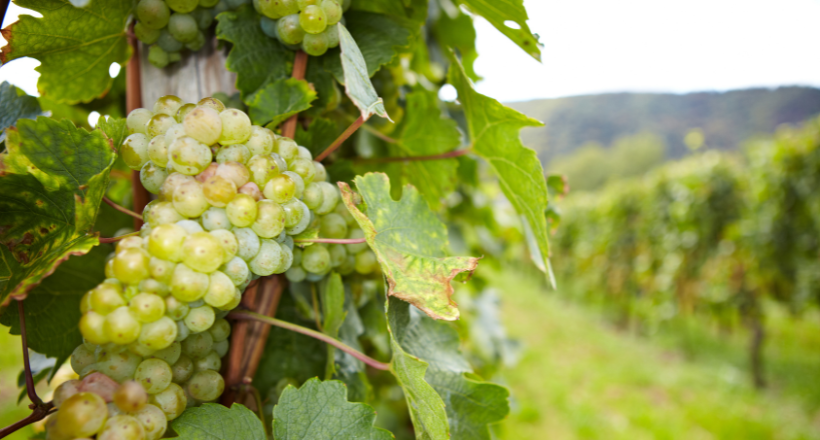
Riesling is an aromatic white grape, prized for its vivid acidity and crystal-clear expression of place. It is grown around the world, but is best known from Germany, France, Australia, and New York. Wines made from the Riesling grape can span a wide range of style, from bone-dry, austere, and citrus-charged to luscious and sweet, often showing lime, green apple, peach, and jasmine aromas and flavors.The Riesling grape is cold hardy and late-budding, meaning that is able to thrive in cool climates, especially when planted in slate or limestone soils. Riesling wines can age beautifully for decades, often developing a distinctive “petrol” or gasoline note, as well as more common aromas and flavors of honey and marmalade.
Both wines presented in this blind tasting feature the expected aromas and flavors of apple, citrus, and peach, however the primary difference between these two wines is the sweetness level. The Trimbach Riesling was fermented to dryness, meaning that there is only .7 g/L of sugar remaining in the wine after fermentation completed, as opposed to the Dr. Thanisch Riesling, which contains 81.7 g/L of residual sugar. This high level of sugar in the Dr. Thanisch Riesling is balanced by the naturally high level of acidity that Riesling grapes possess, meaning that the wine tastes refreshing and balanced despite the increased sweetness and body from the residual sugar.
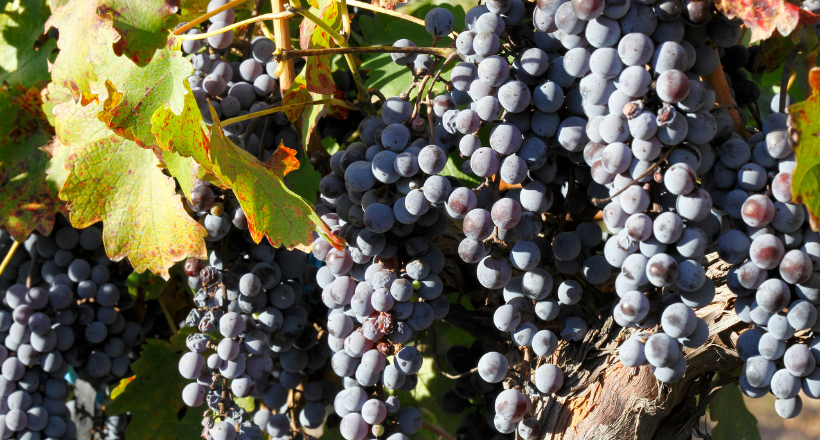
Cabernet Sauvignon is arguably the most well known grape variety, and it is the most planted Vitis Vinifera variety in the world. A crossing between Cabernet Franc and Sauvignon Blanc, this thick skinned black grape variety is used to make blends and single varietal wines in Bordeaux, California, Tuscany, South Africa, Australia, Chile, and more. Because it is late budding and late ripening, Cabernet Sauvignon grapes tend to grow best in warmer climates, where they are able to fully ripen, producing medium to full-bodied wines with pronounced aromas of blackcurrant and black plum and high levels of tannin.
Both of these wines presented in this blind tasting feature the iconic black fruit and herbaceous flavors of Cabernet Sauvignon, as well as realtively high levels of tannin and alcohol. Both of the wines were matured in French oak barrels, resulting in aromas and flavors of cedar, baking spice, and vanilla. The Lapostolle Cabernet Sauvignon has lower alcohol, more acidity, and a more austere mouthfeel than the Rutherford Cabernet due to the overall cooler temperatures of Apalta. The Lapostolle is from a more recent vintage, and the fruit flavors are brighter, and the tannins present as grippier, whereas the Elizabeth Spencer Cabernet Sauvignon has softer tannins and more developed aromas and flavors, including dried black fruit, leather, forest floor, and earthier notes.
Wine 2:
2019 Chateau Pomies-Agassac Haut-Médoc Bordeaux Rouge
Region: Haut-Médoc, Bordeaux, France
The 2019 Château Pomiès-Agassac is a Cru Bourgeois Haut-Médoc red wine with a blend of roughly 59% Cabernet Sauvignon and 40% Merlot. It is characterized by a deep purple color, with notes of blackcurrant, blackberry, and smoky pepper. This medium-bodied, well-balanced, and velvety wine is considered a good value, offering a long finish with a potential to age or drink now.