White Wines from Bordeaux
Wine 1:
Chateau Malartic-Lagraviere Le Comte de Malartic Blanc 2023 - 14% ABV
Le Comte de Malartic Blanc comes from vineyards planted on well-drained gravel and clay-gravel soils over limestone and clay. The 2023 wine is a blend of 66% Sauvignon Blanc and 22% Sémillon, harvested by hand in successive passes from late August through mid-September. After gentle pressing, the wine was fermented in oak barrels and then aged on its lees for 12 months in French oak of several sizes, 10% of which was new, helping to add texture and complexity while preserving the wine’s freshness and aromatic character.
Wine 2:
Chateau Suduiraut Sauternes - 14% ABV
The 2020 Château Suduiraut was made from 100% Sémillon, with grapes hand-harveted in four selective passes between September 16th and November 5th to pick only suitably botrytized fruit. The wine was then matured for 20 months in French oak barrels, evenly divided between new barrels and one-year-old barrels, to produce a rich, concentrated sweet wine with layers of ripe and exotic fruit, spice, and botrytis-derived complexity.
Bordeaux is arguably the most famous wine region in the world. Although well-known for its age-worthy red blends based on Cabernet Sauvignon, Merlot, and Cabernet Franc, the region also produces white wines in Dry, Molleaux, and Sweet styles. Located in southwestern France along the Gironde Estuary and the Garonne and Dordogne Rivers, Bordeaux is traditionally divided into the Left Bank and the Right Bank, with the Entre-Deux-Mers lying between. The region has a moderate maritime climate, influenced by its proximity to the Atlantic Ocean, with generally mild winters, warm summers, and rainfall throughout the year.
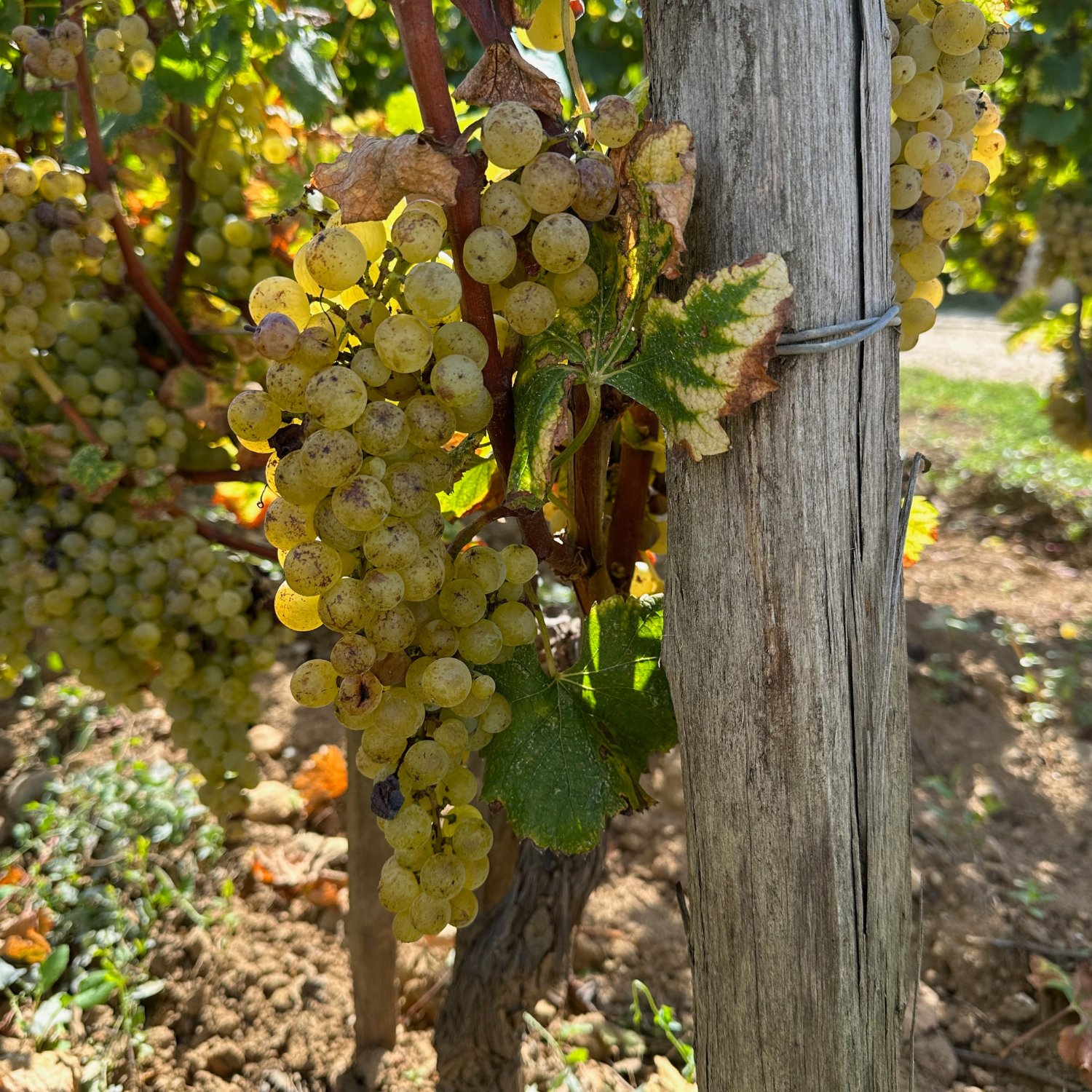
Dry white wines are produced in several areas of Bordeaux, particularly Pessac-Léognan and Graves, where Sauvignon Blanc and Sémillon are commonly blended to make wines ranging from fresh and citrus-driven to richer, oak-aged styles. Bordeaux’s sweet wines primary are made in the subregions of Sauternes and Barsac, where Sémillon, Sauvignon Blanc, and sometimes Muscadelle are affected by noble rot (Botrytis cinerea), which concentrates the grapes’ sugars and flavors. Sweet wines are also produced in nearby appellations such as Loupiac, Cadillac, and Sainte-Croix-du-Mont.
Both wines presented in this blind tasting are white Bordeaux wines based on Sauvignon Blanc and/or Sémillon, and both show ripe citrus and stonefruit character alongside complexity from oak aging. The Le Comte de Malartic Blanc is dry and more acid driven, with flavors of lemon, white peach, and herbs, as well as subtle notes of vanilla and spice from fermentation and maturation in oak. In contrast, the Château Suduiraut Sauternes is a lusciously sweet wine made from botrytized Sémillon, giving it much greater concentration and pronounced flavors of apricot, honey, marmalade, and tropical fruit. Its longer maturation in French oak also contributes higher intensity aromas and flavors of vanilla, spice, and toast, while the high residual sugar results in a noticeably fuller, more viscous mouthfeel.