Wine 1:
Preludio de Sei Solo 2019 - 14.5% ABV
Region: Ribera del Duero, Spain
Located on the elevated northern plateau of Castilla y León, Ribera del Duero follows the course of the Duero River and has a strongly continental climate, with hot, dry summers, cold winters, and significant differences between daytime and nighttime temperatures. These cool nights help the grapes retain acidity and freshness despite the intense summer heat. The fruit for Preludio de Sei Solo comes from low-yielding, bush-trained vineyards in La Horra, Gumiel de Izán, and Moradillo, including old vines between 12 and 80 years of age. The 2019 growing season provided warm, dry, and sunny conditions through harvest, producing healthy, fully ripened grapes with a balance of concentrated fruit, freshness, and fine tannic structure.
Tempranillo from Spain
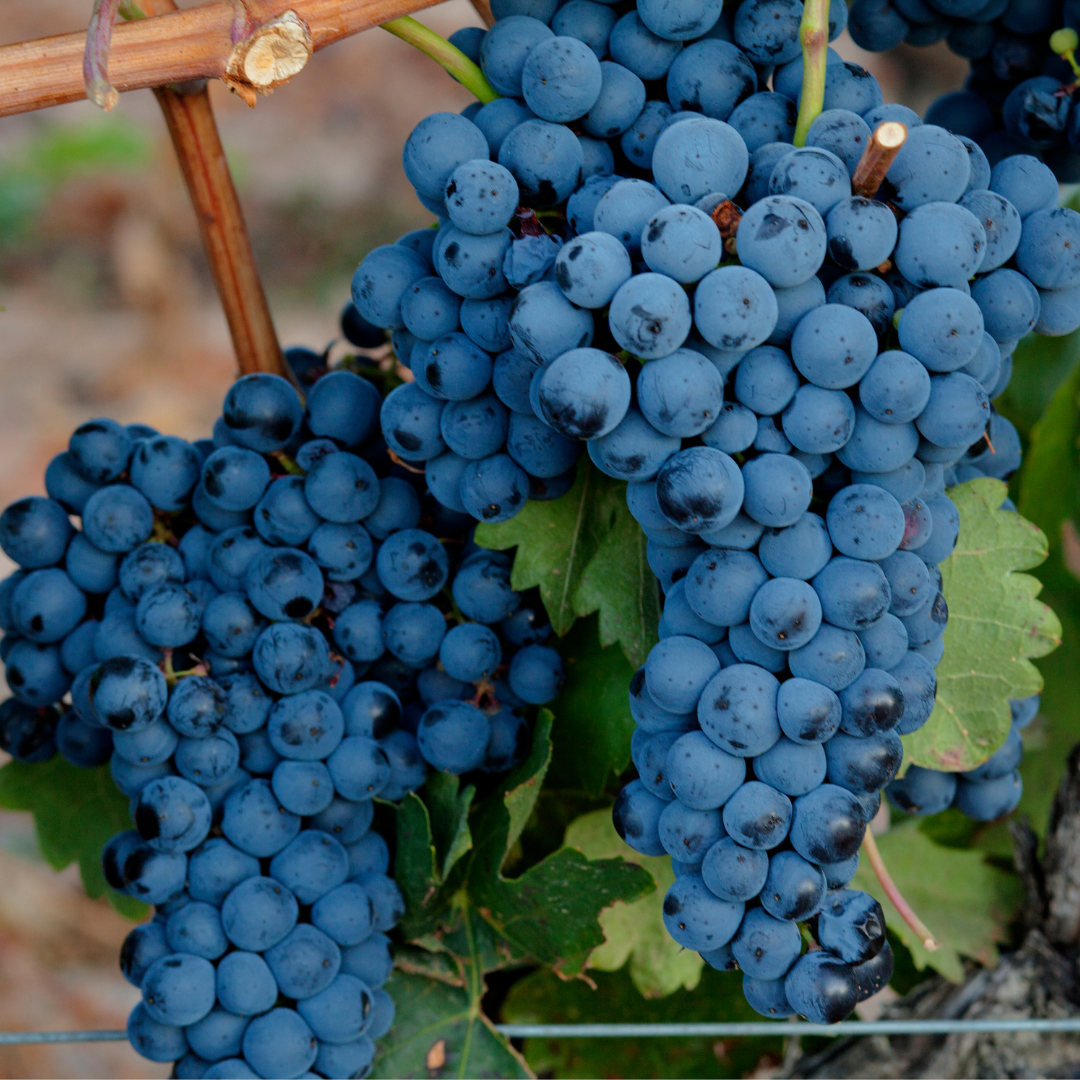
Tempranillo is Spain’s most important black grape variety and is the foundation of many of the country’s most celebrated wines. Its name derives from temprano, meaning “early,” a reference to its tendency to ripen earlier than many other Spanish grape varieties. Tempranillo is particularly associated with Rioja and Ribera del Duero, although it is also widely grown in regions including Toro, Navarra, La Mancha, and the Douro Valley of Portugal, where it is known as Tinta Roriz or Aragonez. The variety generally performs best in warm, sunny climates with cool nights, which allow the grapes to develop ripe fruit flavors while retaining acidity. Tempranillo typically produces medium- to full-bodied wines with moderate to high tannins and characteristic aromas and flavors of red cherry, red plum, blackberry, dried fig, tobacco, leather, and earth.
Both wines presented in this blind tasting display the ripe red and black fruit, savory complexity, and firm tannic structure associated with Tempranillo. Both were matured in oak, contributing aromas and flavors of cedar, vanilla, baking spice, tobacco, and toast. The Preludio de Sei Solo 2019 is more restrained and elegant, with brighter acidity, fresher red-fruit flavors, and finer, grippier tannins. Its gentle extraction and maturation for 17 months in French oak barrels (20% new oak) of varying sizes (228, 300, 500, and 600 liters) help preserve the fresh and fruity nature of the wine. In contrast, the San Román 2020 is more full-bodied, riper, and more powerful, with concentrated blackberry and black plum flavors, prominent tannins. The wine was aged for 25 months in new and used French and American oak barrels (225 and 500 liters), resulting in more pronounced oak and spice characteristics. Although the 2020 vintage produced a somewhat lighter and fresher expression of San Román, the wine still reflects the intensity associated with the warm, dry conditions and old Tinta de Toro vines of Toro.
Wine 2:
San Román Bodegas y Viñedos Maurodos 2020 - 14.5% ABV
Region: Toro, Spain
This wine was produced from Tinta de Toro, the local name and regional expression of Tempranillo. The region lies on a high plateau (620-750 meters above sea level) along the Duero River and has a continental climate with a large dirunal range. Bodegas y Viñedos Maurodos owns vineyards around San Román de Hornija, Villaester, and Morales de Toro, where the vines grow in free-draining, stony, sandy-clay soils. The 2020 growing season brought well-distributed rainfall, followed by warm summer weather, producing a powerful but balanced wine with concentrated dark fruit, firm tannins, and a freshness that is characteristic of the winery’s more recent style.