Riesling
Wine 1:
Mönchhof Ürziger Würzgarten Kabinett Riesling 2024 - 8% ABV
Region: Mosel, Germany
This wine comes from an exceptionally steep vineyard overlooking the Mosel River, where red slate and volcanic soils absorb warmth during the day and help the Riesling grapes ripen in the region’s cool climate. The grapes for the 2024 vintage were harvest by hand during a selective second picking in early October before being pressed and fermented with indigenous yeasts in small stainless-steel tanks. Fermentation was stopped while some residual sugar remained, and the wine was then aged on its lees for three months, resulting in a light-bodied, low-alcohol wine with vibrant acidity, delicate sweetness, and characteristic lemon, lime, and stonefruit notes.
Wine 2:
Prager Steinriegl Federspiel Riesling 2021 - 12.5% ABV
Region: Wachau, Austria
Produced in the Wachau region of Austria, this wine is made from grapes grown on the steep, terraced slopes overlooking the Danube River, where warm days are moderated by cool air flowing into the valley, which helps the grapes retain high levels of acidity. The Steinriegl vineyard has an unusually cool microclimate with distinctive limestone rich soils. These factors contribute freshness, structure, and a pronounced mineral character to the resulting wine. This wine is a dry Federspiel style, showing bright citrus and stonefruit flavors, vibrant acidity, and the precise, mineral-driven character typical of Rieslings from this region.
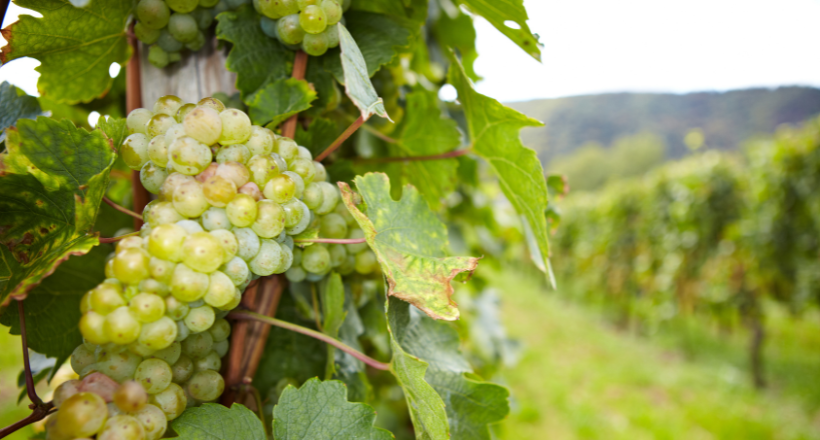
Riesling is an aromatic white grape, prized for its vivid acidity and crystal-clear expression of place. It is grown around the world, but is best known from Germany, France, Australia, and New York. Wines made from the Riesling grape can span a wide range of style, from bone-dry, austere, and citrus-charged to luscious and sweet, often showing lime, green apple, peach, and jasmine aromas and flavors.The Riesling grape is cold hardy and late-budding, meaning that is able to thrive in cool climates, especially when planted in slate or limestone soils. Riesling wines can age beautifully for decades, often developing a distinctive “petrol” or gasoline note, as well as more common aromas and flavors of honey and marmalade.
Both wines presented in this blind tasting feature the high acidity, citrus fruit, and mineral character typical of Riesling. The Mönchhof has noticeable residual sugar (50 g/L RS) and lower alcohol, giving it a lighter, softer, and more fruit-forward profile. In contrast, the Prager is dry and more full bodied, with restrained fruit notes, high levels of acidity, and a firmer, mineral-driven structure.